
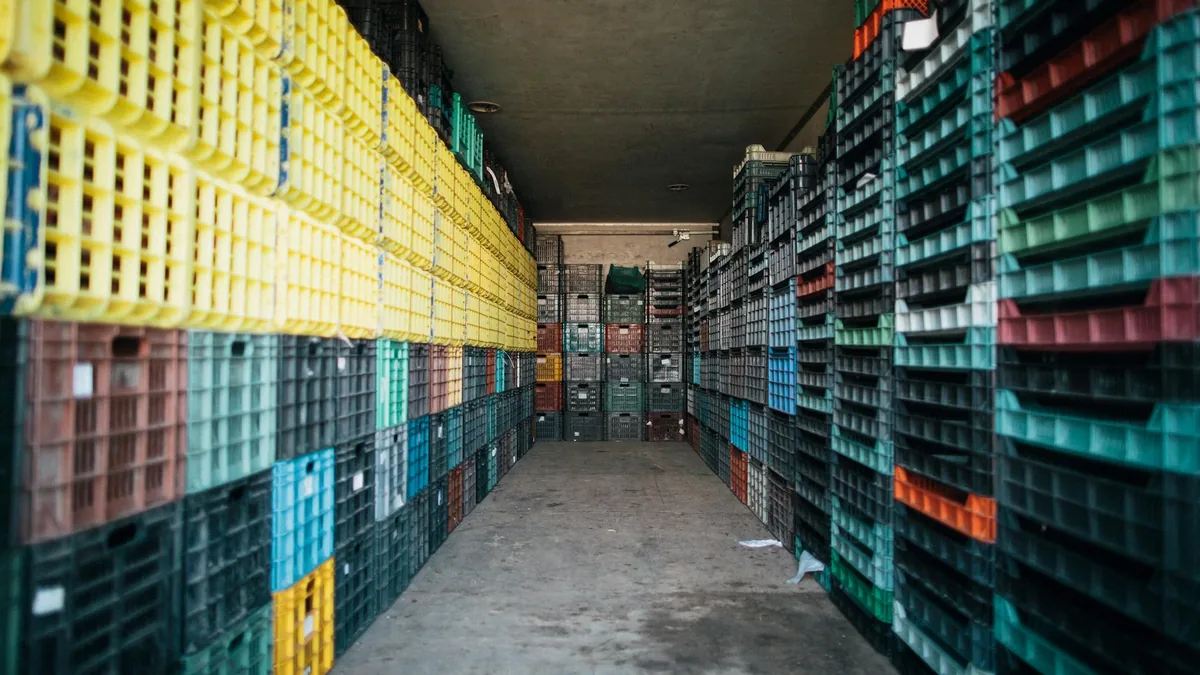
If your home feels cluttered no matter how often you tidy, the fix is usually better storage—not more effort. Use this simple, room-by-room approach to choose containers, add hanging storage, and keep floors clearer for easier cleaning.
If your home keeps getting messy, you don’t need a perfect system—you need Storage that matches how you actually live. Start by choosing “homes” for the items you use weekly, then use hanging storage and closed bins to keep surfaces and floors clear. The best setup is the one that makes daily resets fast and makes floor cleaning easier, not harder.
Quick Storage Options (and when to use each)
| Storage type | Best for | Watch-outs |
|---|---|---|
| Clear bins | Pantry items, kids’ crafts, seasonal extras you still want to see | Can look busy in open areas; label anyway so others can put things back |
| Opaque bins with labels | Closets, linen storage, “backstock” (extras like paper goods) | If unlabeled, they become mystery boxes fast |
| Baskets | Living room throws, quick pickups, entryway catch-alls | Easy to overfill; give each basket a category |
| Drawer dividers | Bathroom, makeup, utensils, office supplies | Too many tiny sections can feel fussy—keep it simple |
| Hanging storage (over-the-door, hooks, rails) | Small bathrooms, cleaning tools, bags, hats, kids’ gear | Can look cluttered if you hang “everything”; limit to daily-use items |

Who this storage approach is for
- You tidy often but it never stays tidy: you likely need clearer “homes” for the most-used items.
- You’re short on cabinets/closets: adding hanging storage and vertical zones gives you space without new furniture.
- You want faster cleaning: fewer items on the floor and counters makes daily resets and floor cleaning quicker.
- You share space with kids/roommates/partners: simple categories + labels help everyone put things back.
Buying considerations that matter (so you don’t end up with random bins)
Before you buy anything, do a quick “container reality check.” Most storage problems come from using the wrong type of container, or buying containers before deciding what they’re holding.
1) Start with the item, not the aisle
- Group first: pull everything from one category (like lunch supplies or hair tools) into one pile so you can see what you’re storing.
- Keep what you use: if you haven’t reached for it in a season and it isn’t a true backup, it’s a good candidate to donate or relocate.
2) Pick a “home” based on how often you use it
- Daily items: easiest-to-reach spots (one hand, no step stool, no unstacking).
- Weekly items: nearby but not prime real estate (shelves, labeled bins, baskets).
- Occasional/seasonal items: higher shelves, under-bed bins, top of closet—still labeled.
3) Use hanging storage strategically (not everywhere)
- Best places: back of bathroom door (hair tools, extra toiletries), inside a closet door (belts, scarves), laundry area (spray bottles, lint rollers), entryway wall (keys, dog leashes, everyday bags).
- Rule of thumb: hang “grab-and-go” items; store bulkier backups in bins.
4) Set up floors for easier floor cleaning
- Raise what you can: use hooks for brooms/mops, a wall rail for tools, or a basket on a shelf instead of on the floor.
- Limit floor-level baskets: one or two is fine; too many become obstacles when you vacuum or mop.
- Create a quick-reset landing zone: a tray or bin near the entry helps keep shoes, mail, and bags from spreading.
5) Make it easy for other people to maintain
- Labels aren’t extra: they’re the instruction manual for your household.
- One category per container: “misc” bins multiply clutter. If you need one, keep it small and revisit it weekly.

A simple decision framework: choose the right storage in 10 minutes
- What’s the pain point? (Counter clutter, overflowing closet, toys everywhere, cleaning supplies scattered.) Name one.
- Where does the mess start? Identify the “drop zone” (kitchen counter, entry bench, bathroom sink).
- What’s the smallest fix that changes daily life?
- If it’s a surface pile: add a tray/basket + a routine to empty it.
- If it’s a floor pile: use hanging storage or a shelf so items lift off the floor.
- If it’s a drawer explosion: add dividers and reduce duplicates.
- Can it be put away in one step? If you have to open lids, move stacks, or relocate three things first, the system won’t stick.
- Will it still work on a busy week? Choose the option that still functions when you’re tired—because that’s real life.
Final verdict: the best storage is the kind you’ll use every day
Effective Storage isn’t about having more containers—it’s about giving your most-used items an obvious home, then using vertical space (like hanging storage) to keep counters and floors open. If you’re aiming for a calmer home and easier floor cleaning, prioritize systems that reduce “stuff on the ground” and make putting things away a one-step habit. This approach works especially well for busy households, smaller spaces, and anyone who wants a faster daily reset without a full weekend overhaul.
FAQ
How do I start organizing when I feel overwhelmed?
Pick one micro-area that affects your day (the entryway, the bathroom sink, or the kitchen counter). Set a 15-minute timer, group like items, and create one simple “home” for each group.
Is hanging storage worth it if I’m renting?
Yes—look for over-the-door organizers, removable hooks (used as directed), or tension-rod setups. They add storage without permanent changes and can move with you.
How do I keep storage from becoming cluttered again?
Use labels, keep one category per bin, and do a quick weekly reset: toss trash, return strays, and remove anything that doesn’t belong in that zone.
If you’re tackling one area at a time, start with the spot that impacts your mornings (entryway, bathroom, or kitchen). Then explore our related cleaning and organization guides to build a simple routine that’s easy to maintain.