
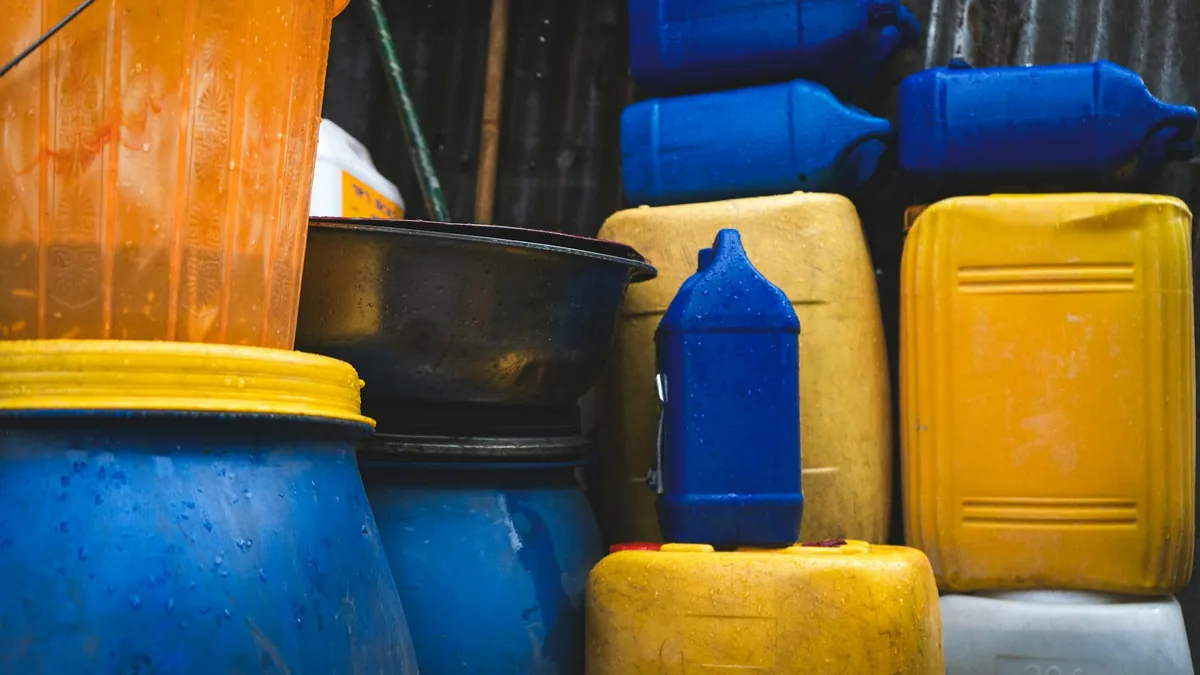
Not all plastic containers work the same way. Use this simple guide to pick the right shapes, lids, and features for meal prep, leftovers, pantry storage, and clutter control.
If you want plastic containers that actually make life easier, start by choosing them based on the job: food storage, pantry organization, or “catch-all” home storage. Look for plastic containers with lids that seal reliably, stack neatly, and come in a small set of repeatable sizes so you’re not constantly hunting for matches. For plastic containers for food, prioritize containers that are clearly labeled as food-safe and fit your daily routine (leftovers, lunches, or meal prep).
Quick Comparison: Which Plastic Containers Make Sense for Your Space?
| Use | Best container style | Why it helps | Watch-outs |
|---|---|---|---|
| Leftovers + lunches | Medium rectangles with tight lids | Stacks well in fridge; easy portioning | Lids get lost—stick to one system |
| Meal prep | Uniform sets (same footprint) | Fast stacking; predictable storage | Too many sizes becomes clutter |
| Pantry staples | Tall, clear canisters | Maximizes shelf height; easy to see levels | Wide lids can be awkward in tight shelves |
| Snacks + kids’ grab-and-go | Small containers with easy-open lids | Supports independence; reduces packaging | Easy-open sometimes means less leak-resistant |
| Non-food storage (bath, craft, garage) | Sturdy bins with latching lids | Contains categories; handles heavier items | Overbuying bins can hide clutter instead of sorting it |

What to Look For When Buying Plastic Containers
- Pick one “main system” first. If you’re replacing a chaotic drawer of random tubs, choose one primary set of plastic containers with lids for everyday food. Then add specialty pieces only if you truly need them.
- Choose shapes that fit your fridge and cabinets. Rectangles and squares usually stack and line up better than rounds. If you have narrow shelves, measure mentally by “footprint” (how much flat space a container takes up), not just volume.
- Decide what matters most: leak resistance, easy opening, or compact storage. You’ll rarely get all three perfectly. If you pack lunches, you may prioritize a more secure seal. If kids use them daily, easy-open lids may matter more.
- Keep sizes repeatable. A few consistent sizes (small, medium, large) are easier to store than a dozen one-off shapes. This is the fastest way to make plastic containers for storage feel organized instead of overwhelming.
- Pay attention to lid design. Flat lids stack better. Domed lids can be useful for taller leftovers but tend to waste vertical space. If lids nest or store in a dedicated file-style organizer, you’ll lose fewer.
- For plastic containers for food, look for clear labeling. Choose containers marked as food-safe. If you plan to reheat, check the manufacturer’s guidance for temperature and use.
- Stain and odor reality check. Tomato-based sauces and some spices can stain plastic over time. If that will bother you, reserve a few “sauce containers” so your whole set doesn’t look worn.
Simple setup tip: When you bring new containers home, immediately recycle/donate the mismatched ones you’re replacing (as appropriate). Mixing two systems is how the “container avalanche” comes back.
Pros and Cons of Plastic Containers (So You’re Not Annoyed Later)
Pros
- Lightweight and practical for daily use, lunches, and busy family routines.
- Usually stackable and easy to store in drawers or bins.
- Budget-friendly to replace if a piece goes missing or gets damaged.
Cons
- Lids can disappear unless you commit to one brand/system and store lids intentionally.
- Staining and lingering odors can happen, especially with sauces and strong spices.
- Warping or poor seals can show up over time, which turns “organized” into “why is this leaking?”

A Simple Decision Framework (Pick the Right Containers in 10 Minutes)
- Choose your main goal: (A) leftovers/lunches, (B) pantry storage, or (C) whole-home organizing.
- Choose your “home base” storage spot: one drawer, one shelf, or one bin. Only buy what fits there comfortably.
- Pick 2–3 sizes you’ll actually use weekly. If you can’t name what goes in a size, skip it.
- Pick one lid style and stick with it. This is the biggest factor in whether plastic containers with lids feel easy or irritating.
- Create one rule that prevents clutter: for example, “If a container loses its lid, it leaves the house,” or “No new containers until the drawer closes easily.”
This keeps plastic containers for storage from turning into a second junk drawer—just in tub form.
Final Verdict: The Best Plastic Containers Are the Ones You’ll Keep Matched and In Rotation
Plastic containers work best when you treat them like a simple system, not a random collection. For most homes, a small set of stackable, repeat-size plastic containers with lids covers everyday leftovers and lunches, while a separate set of sturdier bins handles non-food categories like bathroom backups, crafts, or cleaning supplies. If your routine is busy (kids, meal prep, or quick weeknight resets), prioritize easy stacking and lid-matching over having every possible size.
FAQ: Plastic Containers
How do I organize plastic containers so the lids stop taking over?
Store containers and lids separately: nest the bases by size, and stand lids upright in a narrow bin or file-style organizer. Keeping one primary system (instead of mixed brands) also makes matching faster.
What’s the easiest way to reduce staining and smells in plastic containers for food?
Rinse right after use, especially with tomato sauces and oily foods. If something smells, wash promptly and let it air-dry fully before putting the lid back on.
Can I use the same plastic containers for pantry storage and leftovers?
You can, but it often creates daily friction (pantry containers get tied up when you need leftovers containers). Many households find it easier to keep a dedicated “food leftovers” set and a separate pantry set.
If you’re rebuilding your kitchen organization, save this guide and then do one quick reset: match lids, toss the extras, and assign one drawer or bin as your container “home base.” For more simple routines, browse our related kitchen and laundry organization guides.