
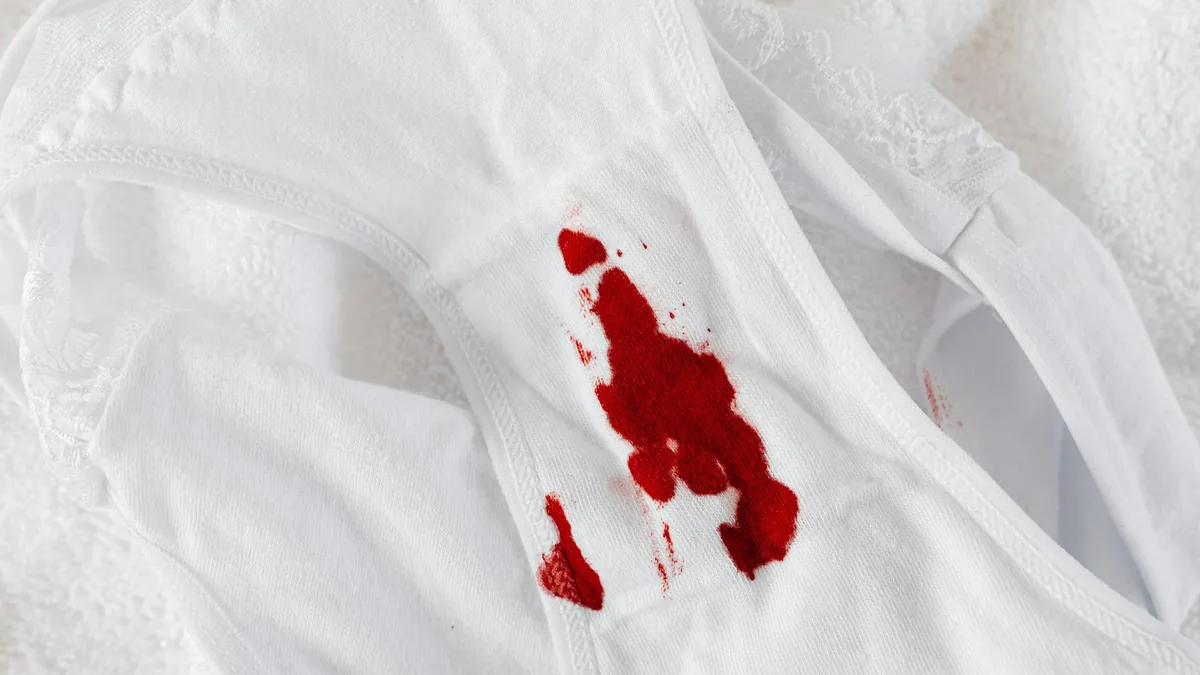
Stains happen. This guide gives you a simple, realistic approach for treating common messes on clothing and household fabrics, including how to pick a stain remover and what to do when a spot has already set.
Most stains come out best when you act fast: blot (don’t rub), flush with cool water when possible, then treat with a stain remover that matches the type of mess (oil, protein, dye, or tannin).
If you’re unsure, start gentle: cool water + a small amount of laundry detergent, and avoid heat (hot water, dryer) until the stain is gone. When a stain has set, you often need a longer soak or a targeted product—and a little patience.
Quick guide: match the stain type to a smart first move
| Common stain type | Examples | Best first step | What to avoid first |
|---|---|---|---|
| Protein | Blood, sweat, dairy, egg | Rinse/flush with cool water, then treat | Hot water (can set it) |
| Oil/grease | Salad dressing, makeup, butter | Blot, then use detergent or a degreasing stain remover | Rubbing hard (spreads grease) |
| Tannin | Coffee, tea, wine, juice | Blot, flush with cool water, then treat promptly | Heat/dryer before it’s gone |
| Dye | Ink, marker, some cosmetics | Blot; spot-treat carefully (test first) | Over-wetting upholstery/carpets |
| Combination | Chocolate, sauces, gravy | Scrape solids, cool rinse, then treat in steps | One-and-done approach |

How to choose a stain remover (without overthinking it)
You don’t need a dozen products, but the right stain remover can save time—especially for frequent laundry days, kids’ clothes, or light upholstery.
- Pick a format you’ll actually use. Sprays are quick for laundry and carpets, gels cling well to cuffs/collars, and sticks are great for tossing in a bag for on-the-go spots.
- Check what it’s designed for. Some formulas are better for grease, some for protein stains, and some for bright dyes. If you see a lot of one category (like cooking grease), choose accordingly.
- Look for clear fabric guidance. For delicates, wool, silk, or “dry clean” items, choose something that explicitly says it’s safe—or plan to spot-test and keep it gentle.
- Consider scent and sensitivity. If you’re washing family laundry together, a lower-scent or sensitive-skin option can make life easier.
- Carpet/upholstery needs a different mindset. You want a product that lifts the stain without soaking the padding. “Less liquid, more blotting” is usually the win.
One habit that helps: keep your go-to stain remover where you’ll see it—near the hamper or laundry basket—so treating stains becomes automatic.
The simple “treat now” approach: pros and cons
- Pro: Faster results because fresh stains haven’t bonded as tightly to fibers.
- Pro: Less scrubbing (which can damage fabric and spread stains).
- Pro: Fewer re-washes—helpful when you’re trying to keep laundry from piling up.
- Con: You need a quick routine (even 60 seconds) before the stain dries.
- Con: Some stains still need a second round or a soak, especially if they’ve been through the dryer.

A quick decision framework for stubborn stains
- Identify the surface: clothing, carpet, or upholstery. (This changes how much water you can safely use.)
- Do the least-damaging first step: blot + cool water flush when possible. Skip rubbing.
- Treat in the right direction:
- Grease: detergent/degreaser first.
- Protein: cool water first, then enzyme-style treatment if needed.
- Coffee/wine: blot + flush, then treat.
- Give it time: many stain removers work better with a short wait. Don’t rush straight to heat.
- Before you dry: check the area in good light. If you still see it, repeat treatment or soak—dryers make stains much harder to remove.
If you’re dealing with an unknown stain, start with cool water and a small amount of gentle detergent, then escalate to a targeted stain remover if it doesn’t budge.
Final verdict: treat stains like a tiny routine, not a big project
The most reliable way to handle stains is a repeatable “mini system”: blot, cool rinse when possible, apply the right stain remover, and avoid heat until you’re sure it’s gone. If your home has lots of quick-change laundry (workwear, kids, workouts, cooking), keeping one general stain remover within arm’s reach of the hamper is often the difference between “handled” and “forgotten.”
For carpets and upholstery, focus on controlled moisture and patient blotting—slow and steady usually looks better than aggressive scrubbing.
FAQ
Should I use hot or cold water on stains?
When in doubt, start with cold. Hot water can set many protein-based stains (like blood, dairy, and sweat). You can always move warmer later if the fabric allows and the stain type calls for it.
What if the stain already went through the dryer?
Don’t panic, but expect a second round: re-treat with a stain remover, let it sit, then wash again. Avoid drying until you can’t see the stain in good light.
Can I use the same stain remover for carpet and clothes?
Sometimes, but it depends on the label. Carpet/upholstery products are usually designed to avoid over-wetting and residue; laundry products may foam or leave buildup on carpet. If you do cross-use, spot-test and use a very small amount.
If you’re building a simpler cleaning routine, browse our other quick guides for laundry reset habits and easy spot-cleaning checklists you can keep near the washer.