
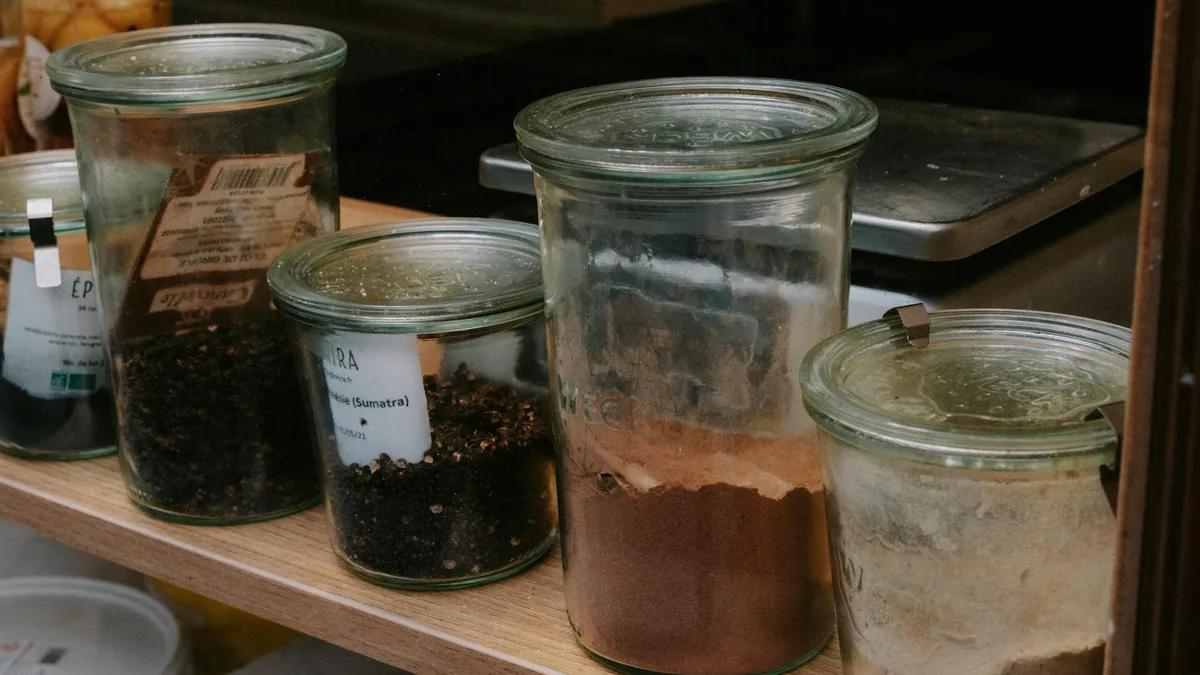
Glass containers can make leftovers, meal prep, and pantry storage feel simpler and cleaner. Here’s what to look for—especially with lids, shapes, and how you’ll actually use them day to day.
If you want one storage option that works for leftovers, lunches, and a calmer fridge, glass containers are a solid everyday choice. Look for glass containers with lids that seal well, stack neatly in your space, and come in shapes you’ll actually reach for (not just the “nice” ones). The best set is the one that fits your routine: how you cook, how you pack food, and how much time you want to spend hunting for matching lids.
Quick Comparison: Which Type of Glass Container Fits Your Routine?
| Best for | What to choose | Why it helps |
|---|---|---|
| Everyday leftovers | Medium rectangles + a few small rounds | Easy to stack in the fridge and portion out quickly |
| Work lunches | Leak-resistant lids + slimmer shapes | Less mess in bags; fits better in lunch totes |
| Meal prep containers for the week | Matching shapes/sizes (a “system,” not a mix) | Stacks cleanly; easier to grab-and-go without lid chaos |
| Pantry staples (snacks, baking items) | Wide-mouth containers with simple, easy-open lids | Faster access; fewer spills when scooping |
| Small fridge or tight cabinets | Square/rectangular pieces in 1–2 sizes | Maximizes space and reduces mismatched clutter |

Who Glass Containers Are (and Aren’t) Most Helpful For
- You’ll love them if: you want a cleaner-looking fridge, you reheat leftovers often, you’re tired of stained or warped plastic, or you want a more “one-container” routine (store, chill, reheat, repeat).
- They’re especially useful if: you pack lunches regularly and want fewer leaks, or you’re trying to build a simple meal-prep rhythm without a pile of mismatched tubs.
- They may not be your best fit if: you need ultra-light containers for kids’ backpacks, you frequently eat on-the-go and want something you don’t worry about bumping, or you truly don’t have storage space for heavier pieces.

What to Look for When Buying Glass Containers (So They Actually Make Life Easier)
It’s easy to buy a pretty set and still end up frustrated. These are the details that make glass storage feel effortless instead of fussy.
1) Lids that match your real life
- Seal quality: If you pack soups, saucy leftovers, or cut fruit, prioritize lids that feel secure and consistent. A “sort of” seal usually becomes a sticky lunch bag problem.
- Ease of cleaning: Lids with lots of grooves can trap residue. If you know you won’t hand-scrub tiny creases, choose simpler designs.
- Replacement reality: Lids are the first thing to disappear or wear out. Before you commit to a set, consider whether replacing a lid later will be straightforward (or if you’ll be stuck with orphan containers).
2) Shapes that stack well in your fridge and cabinets
- Rectangles and squares: Typically the easiest for fridge “tetris.” They line up neatly and waste less space.
- Rounds: Great for snacks, dips, and smaller portions, but can leave gaps on shelves if they’re your main shape.
- One or two core sizes: A set that’s mostly “the same but different” often creates lid confusion. Many households do better with a small size for snacks/sides and a medium size for leftovers.
3) How you’ll use them: leftovers vs. prep vs. pantry
- Leftovers: You want quick visibility and easy stacking. Clear glass helps you see what needs to be eaten first.
- Meal prep: Choose meal prep containers that stack uniformly and fit your go-to meals (think: a portion of protein + veg, or a grain bowl). Consistency matters more than having every size.
- Pantry: Wide openings are underrated—especially for flour, sugar, snacks, or anything you scoop. If it’s annoying to access, it won’t stay organized.
4) A realistic plan for lid organization
Even the best glass containers with lids can turn into clutter if the lids don’t have a “home.” A simple fix: store lids upright in a small bin or file organizer, or keep them clipped/stacked together by size if your set allows it.
5) Care and maintenance basics (to keep them looking nice)
- Odors and residue: Glass holds onto smells less than plastic, but lids can absorb odors. Washing lids promptly and letting them dry fully helps.
- Cloudiness: Often comes from dishwasher residue or hard water buildup on lids—not the glass itself. A simple rinse and thorough dry can prevent that “always looks a little dirty” feeling.
- Chips and bumps: If you’re hard on dishes, prioritize storage that stacks securely and doesn’t slide around in your cabinets.
Final Verdict: Choose the Set That Reduces Decisions, Not Adds Them
Glass containers are worth it when they help you keep food visible, prevent mystery leftovers, and make packing lunches feel automatic. Focus less on getting the biggest variety pack and more on building a small, repeatable system: a couple of sizes you use constantly, lids that don’t stress you out, and shapes that stack cleanly in your actual fridge and cabinets. If you meal prep weekly or rely on leftovers for busy nights, a consistent set of meal prep containers can be one of those small upgrades that makes your routine feel smoother.
FAQ
Do glass containers leak?
They can if the lid seal is weak or the lid isn’t seated evenly. If you carry soups or saucy foods, prioritize a tight seal and avoid overfilling (pressure and sloshing are usually the issue).
How do I keep lids from getting gross or smelly?
Wash lids soon after use, especially after oily foods, and let them dry completely before stacking. If odors linger, a longer soak in warm, soapy water can help, and storing lids with airflow (not snapped shut) prevents mustiness.
What’s the easiest way to organize a mismatched collection?
Start by picking one “main” size you use most and keep those front and center. Corral extra lids in a small bin, and donate or recycle containers that don’t have a matching lid—those are usually what create the daily frustration.
If you’re working on a calmer kitchen routine, browse our other simple storage and cleaning guides—small setup changes can make weeknights feel a lot less chaotic.