
Latest Articles
Stains happen. This guide gives you a simple, realistic approach for treating common messes on clothing and household fabrics, including how to pick a stain remover and what to do when a spot has already set.
Oil stains don’t have to mean a ruined shirt. Here’s a practical, fabric-safe way to lift grease from clothes—plus what to do if the stain is old or already went through the dryer.
Not sure what’s safe to use on your counters, floors, or appliances? This guide breaks down how to clean everyday surfaces and what works best for oil and grease stains—without overcomplicating it.
Not sure what to use on different surfaces? Here’s a simple, realistic way to clean common household surfaces without streaks, plus what to do when grease or oil is involved.
Grease stains don’t have to mean a ruined shirt. Here’s a practical, fabric-safe way to lift oily spots fast, plus what to do if the stain is old or already went through the dryer.
Spaces
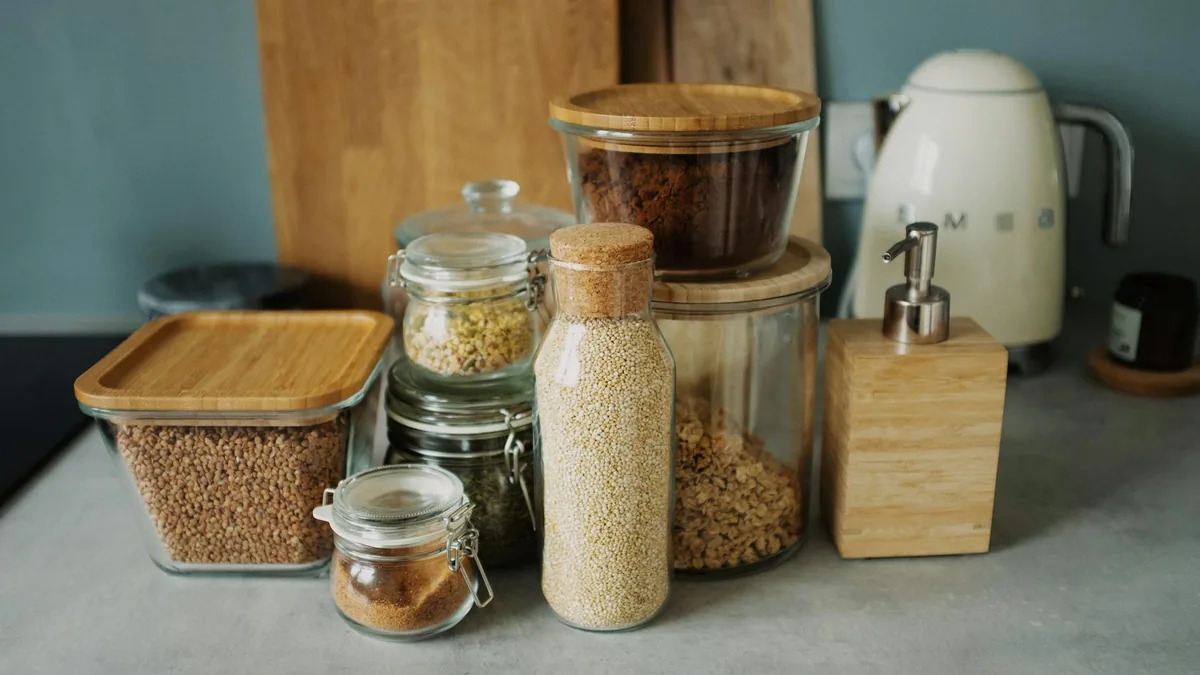
If your home feels cluttered, you don’t need more bins—you need the right storage in the right spots. Here’s how to choose hanging storage vs. stackable storage and set it up so it stays easy to maintain.
News
Stains: A Ca…
Fabrics
More Fabrics
Picking detergent doesn’t have to be complicated. Use this simple guide to match the right laundry detergent to your washer, fabrics, stains, and skin needs—without wasting money or re-washing loads.
Practical Home Cleaning, Laundry, and Organization Ideas
Weekly Globe is a women-focused home living site covering everyday cleaning, storage, fabric care, and home organization topics. We focus on practical guidance that helps make daily routines feel simpler, clearer, and easier to manage.
Clean Guides
Stains happen. This guide gives you a simple, realistic approach for treating common messes on clothing and household fabrics, including how to pick a stain remover and what to do when a spot has already set.
Oil stains don’t have to mean a ruined shirt. Here’s a practical, fabric-safe way to lift grease from clothes—plus what to do if the stain is old or already went through the dryer.
Not sure what’s safe to use on your counters, floors, or appliances? This guide breaks down how to clean everyday surfaces and what works best for oil and grease stains—without overcomplicating it.
Not sure what to use on different surfaces? Here’s a simple, realistic way to clean common household surfaces without streaks, plus what to do when grease or oil is involved.
More from Clean
Spaces
If your home feels cluttered, you don’t need more bins—you need the right storage in the right spots. Here’s how to choose hanging storage vs. stackable storage and set it up so it stays easy to maintain.
Explore practical ideas for pantry storage, containers, stackable systems, and easier everyday organization at home.
Fabrics
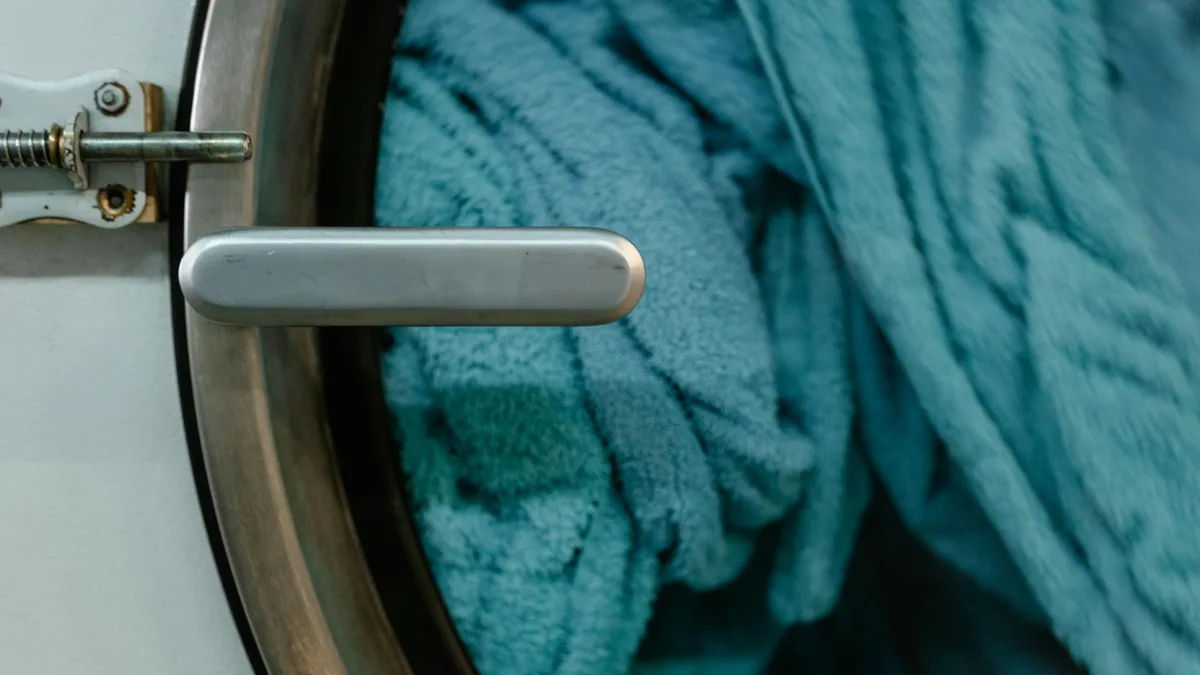
Trying to pick the right Tide detergent? Here’s a simple, realistic way to choose a formula for your washer, your stains, and your household—without overthinking it.
Simple Help for Cleaning, Laundry, and Organized Spaces
From stain removal and laundry care to pantry organization and storage ideas, Weekly Globe highlights useful home topics that support cleaner, calmer, and more manageable spaces.
Clean
Stains happen. This guide gives you a simple, realistic approach for treating common messes on clothing and household fabrics, including how to pick a stain remover and what to do when a spot has already set.
Spaces
If your home feels cluttered, you don’t need more bins—you need the right storage in the right spots. Here’s how to choose hanging storage vs. stackable storage and set it up so it stays easy to maintain.
Fabrics
Trying to pick the right Tide detergent? Here’s a simple, realistic way to choose a formula for your washer, your stains, and your household—without overthinking it.