
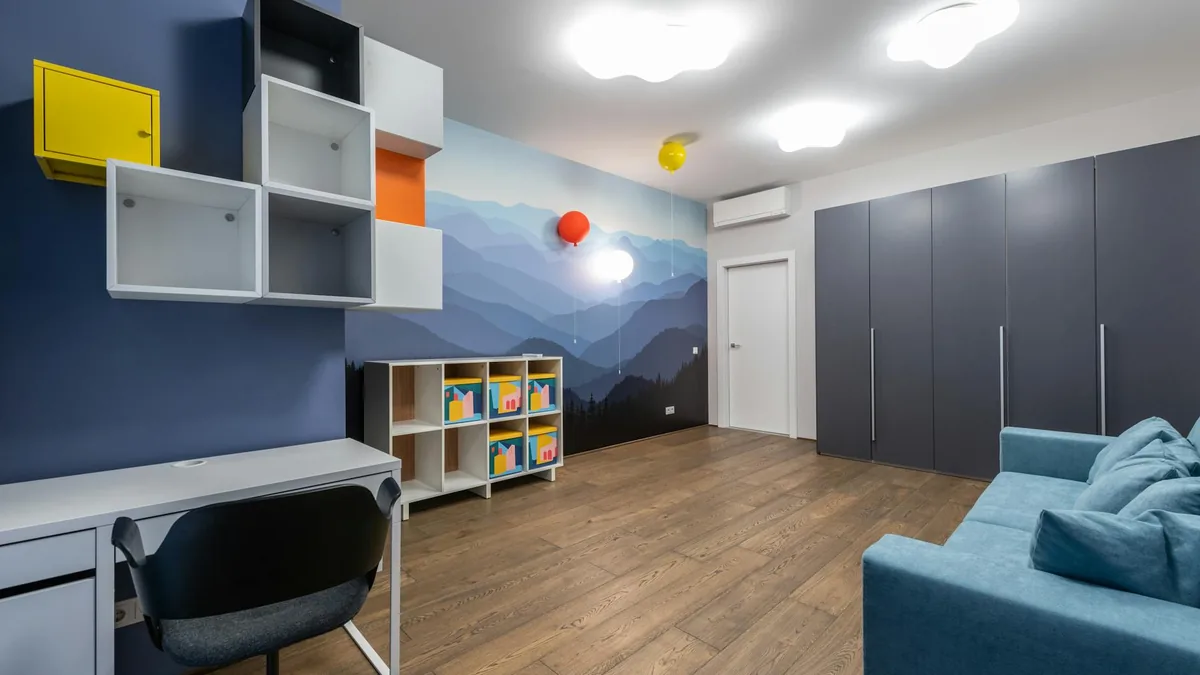
Cube storage can make a room feel instantly more manageable—if you pick the right size, bin style, and layout for how you really live. Here’s a simple way to choose and set it up.
Cube storage works best when you match the unit size and bin style to your daily habits—what you grab often stays easy to reach, and everything else gets a “home.” Start by measuring the wall (and any baseboards), then decide if you need open cubes for display, cube storage bins to hide clutter, or a mix. If you want a cleaner look that blends into modern decor, black cube storage can visually “disappear” while still holding a lot.
Quick comparison: open cubes vs. bins vs. doors
| Setup | Best for | Trade-offs |
|---|---|---|
| Open cubes (no bins) | Books, decor, items you use daily | Looks cluttered fast; dust shows more |
| Cubes with cube storage bins | Toys, cords, craft supplies, “drop zone” stuff | You can forget what’s inside without labels |
| Cubes with doors/drawers (some cubes closed) | Entryways, living rooms, shared spaces | Usually costs more; less flexible for odd-shaped items |

Who cube storage is for (and where it shines)
- Small-space homes and apartments: It adds vertical storage without needing a closet overhaul.
- Busy households: A cube storage organizer makes it easier to reset a room quickly—especially with bins.
- Multi-purpose rooms: Living room + playroom, office + guest room, laundry area + mudroom corner—cubes help you “zone” the space.
- Anyone who needs a simple system: One category per cube (or per bin) is easier to maintain than complicated shelving.
What to consider before you buy (so it actually works)
Most cube storage problems come down to a mismatch: the unit fits the room, but not your stuff—or it fits your stuff, but not your routine. Use this quick checklist before you commit.
1) Measure the real space (not the “hopeful” space)
- Width and height: Make sure drawers can open, doors can swing, and walking paths stay clear.
- Depth: In narrow areas (entryways, hallways), shallower options can keep things from feeling crowded.
- Baseboards and outlets: Baseboards can prevent a unit from sitting flush; outlets may affect placement if you’re hiding a router or charging station.
2) Decide what should be hidden vs. visible
- Hide: toys, cables, paperwork, pet supplies, cleaning backups, seasonal accessories.
- Show: books, baskets you reach into daily, a few decor pieces, plants (if the spot gets light).
A simple approach is “open on top, hidden on bottom.” It keeps the room feeling calmer while staying functional.
3) Pick the right cube storage bins (the make-or-break detail)
- Soft fabric bins: Great for kids’ items and quick toss-in cleanup. Look for sturdy handles if you’ll pull them out often.
- Woven baskets: Warm, living-room-friendly, and forgiving for odd shapes. They can snag delicate items, so consider what you’ll store.
- Plastic bins: Useful for garages, laundry areas, or anything that might leak. They’re also easy to wipe down.
Tip: If you’re using bins to reduce visual clutter, add simple labels (even just “Toys,” “Cables,” “Paper”). It prevents the “mystery-bin” problem later.
4) Think through the room’s “drop zone” habits
Cube storage works best when it supports what already happens in that room. For example:
- Entryway: one cube for each person’s grab-and-go items (hats, sunscreen, dog bags), plus one “returns” bin for things that belong elsewhere.
- Living room: a bin for remotes/chargers, a bin for throw blankets, and a dedicated spot for toys if kids are in the mix.
- Bedroom: cubes can hold workout gear, hair tools, or accessories—anything that tends to land on a chair.
5) Style notes: when black cube storage makes sense
Black cube storage can look sleek and intentional, especially in modern spaces or rooms with darker accents (frames, hardware, TV stand). It also helps busy shelves feel less visually loud. The trade-off is that dust and fingerprints can show more depending on the finish—bins can help keep the look tidy.

Pros and cons of cube storage (real-life version)
Pros
- Fast reset: You can tidy in minutes by returning items to their cube or bin.
- Flexible: Swap bins as seasons change (school year, holidays, sports).
- Budget-friendly organization: You can start with a basic unit and upgrade bins/labels later.
- Works in many rooms: Playrooms, closets, living rooms, home offices, even laundry corners.
Cons
- Can become a “stuff wall”: Without simple categories, it turns into a catch-all.
- Open cubes show clutter: If you prefer a minimal look, plan on bins or a few closed cubes.
- Not ideal for very tall items: Brooms, long wrapping paper, tall vases may need a different solution.
Final verdict: the best cube storage is the one you’ll maintain
If you want a straightforward way to reduce visible clutter, cube storage is one of the easiest systems to keep up with—especially when you pair it with a few well-chosen cube storage bins. Aim for a layout that matches your routine (daily items at arm level, occasional items up high, heavier items low), and keep categories simple so resetting the room doesn’t feel like a project.
For shared spaces like living rooms and entryways, a cube storage organizer with a mix of open and hidden cubes usually feels the most realistic. And if you want a cleaner, more blended-in look, black cube storage can make the whole setup feel more intentional—just plan for a little dust control or rely on bins to keep it looking polished.
FAQ
How do I keep cube storage from turning into a junk collector?
Give each cube a simple category and add one “catch-all” bin with a weekly reset. If everything is a catch-all, the system falls apart.
What should I store in bins vs. leave out in open cubes?
Use bins for small, messy, or mixed items (toys, cords, craft supplies). Keep open cubes for things you want to see and grab quickly (books, a basket of blankets, a few decor pieces).
Where should cube storage go in a living room?
Pick a spot that supports your habits: near the main seating area for remotes/blankets, or near the entry point for a simple drop zone. If it’s in a high-traffic path, consider bins or closed cubes to keep it visually calm.
If you’re setting up a whole-room reset, browse our other simple home organization guides for quick routines and storage ideas that are easy to maintain.