
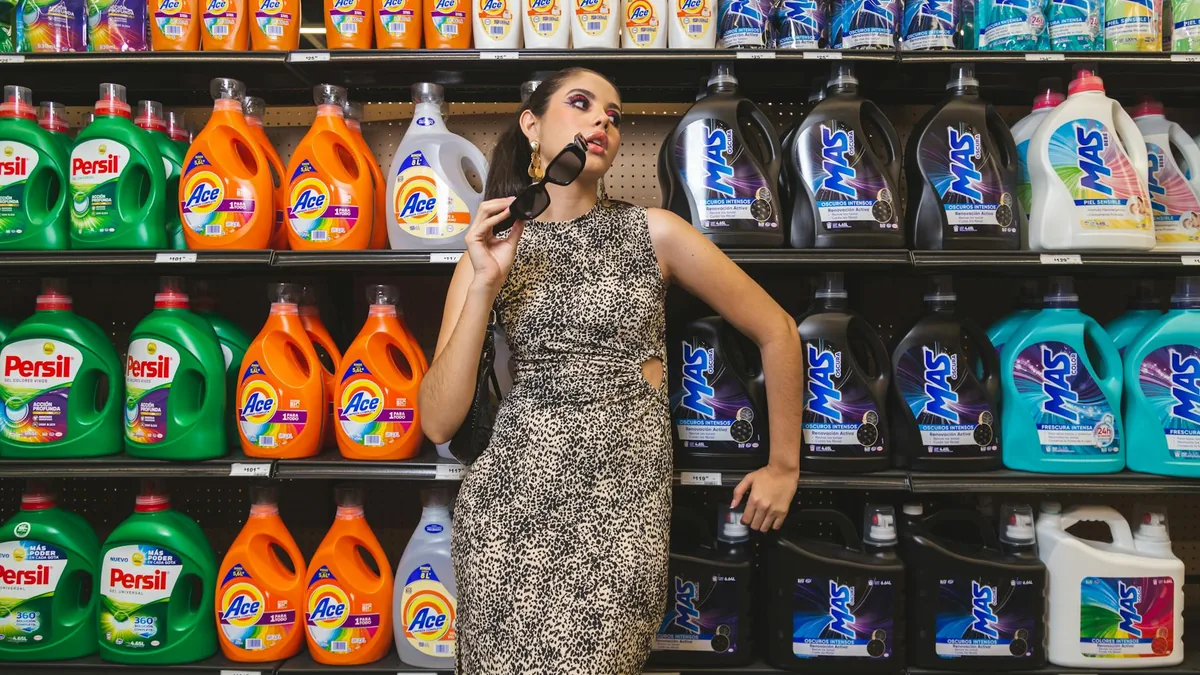
Not sure which detergent actually fits your laundry? Use this simple guide to choose the best detergent for clothes, including options for sensitive skin, tough stains, and different washer types.
The best detergent is the one that matches your washer type, water conditions, and the kind of laundry you do most—everyday clothes, sweaty activewear, baby items, or stain-prone loads. If you want one reliable “default,” look for a detergent that’s HE-compatible, rinses clean, and has clear dosing instructions. For households dealing with irritation, the best detergent for sensitive skin is typically fragrance-free and dye-free, with a shorter ingredient list.
Quick comparison: which detergent type fits your life?
| Type | Best for | Watch-outs |
|---|---|---|
| Liquid | Everyday mixed loads, spot-treating stains | Easy to over-pour; can leave residue if overdosed |
| Powder | Budget-friendly cleaning, some tough odors, hard-water homes | May not dissolve well in cold/quick cycles if you use too much |
| Pacs/pods | Fast routines, consistent dosing, smaller laundry spaces | Less flexible for small loads; must be stored safely away from kids/pets |
| Free & clear (any format) | Sensitive skin, baby clothes, fragrance-sensitive homes | May be less effective on heavy odors unless paired with boosters |
| Enzyme-focused formulas | Food stains, sweat, body oils (everyday “life stains”) | Some very sensitive skin types prefer simpler formulas |

Who this guide is for
- You want the best detergent for clothes that works for your real-life loads (work clothes, kids’ stuff, towels, gym wear) without needing five separate products.
- You’re tired of mystery problems like lingering odor, dull colors, or “clean but stiff” fabrics.
- You’re trying to find a best detergent for sensitive skin option that still cleans well.
- You’re switching washer types (especially to an HE machine) and your old routine suddenly isn’t working.
Who this approach may not fit
- If you need a specialized solution for a specific fabric (like silk, wool, or technical outerwear), you’ll likely be happier with a fabric-specific wash for those items.
- If your laundry issues are coming from the machine (musty washer, clogged dispenser, or buildup), detergent changes alone won’t fix it—start with a washer clean-out first.
What to look for in the best detergent (based on your laundry reality)
Most “bad detergent” complaints come down to a mismatch: the wrong format, too much product, or a formula that doesn’t fit your water and habits. Use these checkpoints to narrow it down fast.
1) Make sure it matches your washer (especially HE)
If you have a high-efficiency washer, choose an HE-labeled detergent. It’s designed to control suds and rinse out better in low-water cycles. Too many suds can trap soil and leave clothes feeling coated.
2) Decide what matters more: stains, odor, or gentle rinsing
- Stains (food, grass, makeup): Look for enzymes and clear stain-fighting claims. Keep a simple pre-treat step for the worst items.
- Odor (sweat, towels, “left in the washer too long”): Choose a formula geared toward odor removal and consider occasional add-ons like oxygen bleach for towels and athletic wear.
- Sensitive skin: The best detergent for sensitive skin is usually fragrance-free and dye-free. Also consider that overdosing any detergent can cause irritation because it doesn’t rinse fully.
3) Check your water: hard water changes everything
Hard water can make detergent feel less effective and can leave fabrics looking dingy over time. If you suspect hard water (spotty dishes, mineral buildup on faucets), you may need to use the right dose for hard water or add a water-softening helper occasionally—especially for towels and sheets.
4) Pick a format you’ll actually use correctly
- If you tend to eyeball-pour: pacs/pods can prevent accidental overuse.
- If you do lots of small loads: liquid or powder gives you more dosing control than pods.
- If you wash mostly cold: use a detergent known to dissolve and rinse well in cold water, and avoid overfilling the drum.
5) Don’t ignore “routine fit” (this is where most people win)
The best detergent is the one that fits your weekly rhythm: a default detergent for most loads, plus one simple add-on step for the occasional problem (like sweat odor or bright whites). You’ll get more consistent results than constantly switching products.

Pros and cons of “free & clear” vs. scented detergents
If you’re choosing between a classic scented detergent and a fragrance-free option, here’s the practical tradeoff.
Free & clear detergents
- Pros: Often the easiest choice for sensitive skin, baby clothes, and fragrance-sensitive households; typically less likely to leave a lingering perfume film on fabrics.
- Cons: If you associate “clean” with scent, laundry may smell neutral (which is the point). Some households also prefer an odor-focused formula for gym gear.
Scented detergents
- Pros: Gives that freshly-washed smell many people love; can help mask mild leftover odors.
- Cons: Fragrance can bother sensitive skin or migraines; heavy scent plus too much detergent can create buildup that makes fabrics hold onto odor over time.
If you’re on the fence, a simple compromise is using a gentle, fragrance-free detergent as your everyday baseline and reserving scent boosters for items that truly need it (instead of every load).
Final verdict: the “best detergent” is the one that rinses clean and fits your week
If you want a calm, efficient laundry setup, choose one main detergent that matches your washer (HE if needed), handles your most common stains, and doesn’t tempt you to overuse it. For many homes, that means a dependable everyday formula for mixed loads—and if skin irritation is a concern, a fragrance-free, dye-free option is often the best detergent for sensitive skin to start with.
Then, instead of buying a new detergent for every problem, keep one targeted helper for your biggest pain point (like odors or whites). That simple two-part setup is usually enough to cover real life without turning your laundry shelf into a science project.
FAQ
How do I know if I’m using too much detergent?
If clothes feel stiff, look dull, smell “perfumey” but not truly fresh, or your machine seems sudsy at the end of the cycle, you may be overdosing. Try cutting back and see if fabrics rinse cleaner.
What’s the best detergent for clothes if I wash mostly in cold water?
Look for a detergent that’s designed to work in cold water and focus on proper loading (don’t pack the drum too tightly). For oily stains, a quick pre-treat helps more than adding extra detergent.
Can detergent cause itchy skin even if it’s labeled gentle?
Yes—sometimes it’s fragrance, dyes, or simply residue from using too much. If you’re troubleshooting, switch to fragrance-free/dye-free and run an extra rinse for a week to see if it improves.
If laundry is one of those chores you want on autopilot, browse our related cleaning guides for simple routines—like keeping towels fresh, preventing detergent buildup, and dealing with everyday stains without extra steps.